
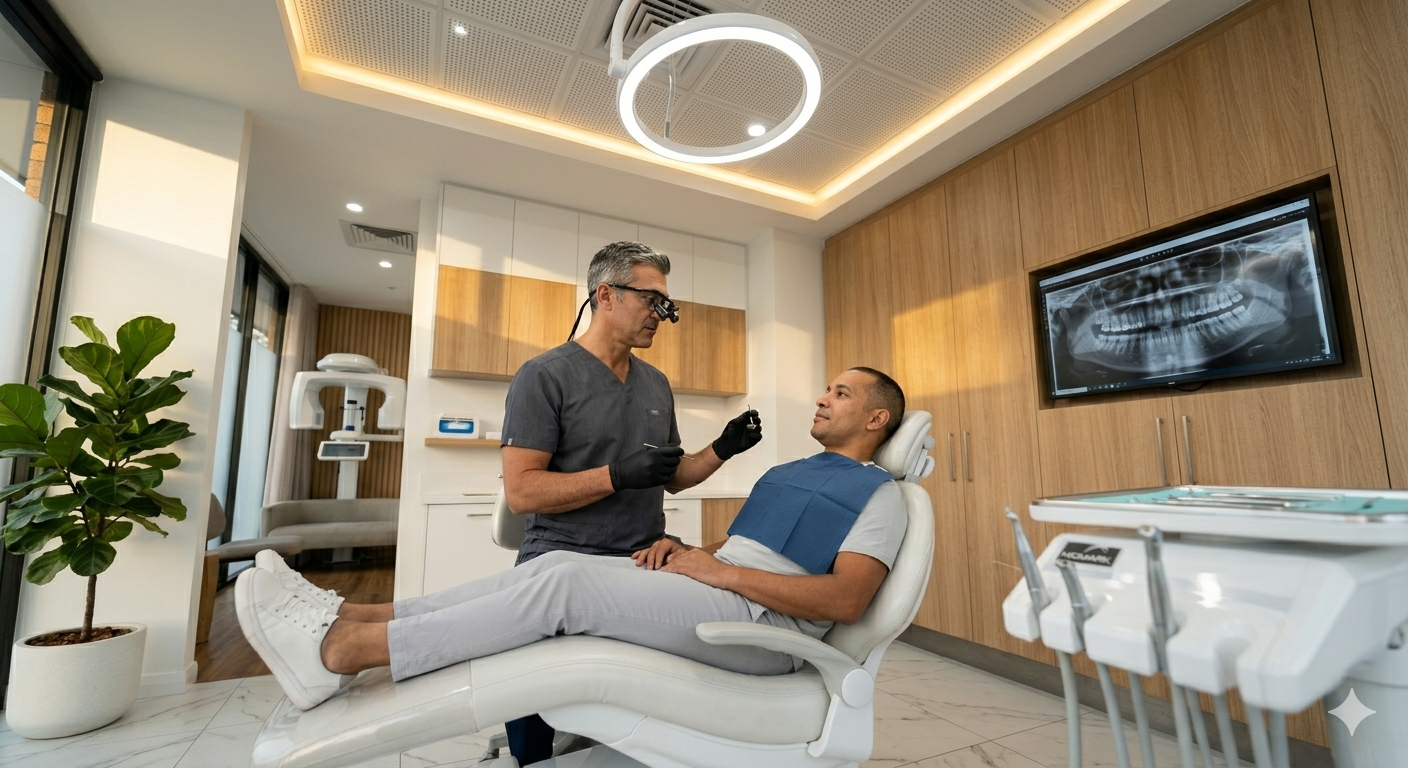
When dental emergencies strike in Gulf Shores, AL, knowing where to turn quickly can make all the difference. Whether it’s a sudden toothache, a knocked-out tooth, or severe pain, emergency dental care in Gulf Shores offers fast, effective treatment to relieve pain and protect your smile.
Local dentists are prepared to handle urgent situations with gentle, modern techniques that prioritize patient comfort. They understand how stressful dental emergencies can be and provide clear guidance to help patients feel at ease.
If someone experiences a dental emergency, they should seek professional care promptly to prevent further damage. Reaching out early can lead to better outcomes and peace of mind during a tough moment.
Recognizing Dental Emergencies
Knowing how to spot a true dental emergency can save time and prevent further pain or damage. Some issues need immediate attention, while others can wait for a routine appointment. Understanding key symptoms helps patients make the right call quickly.
Common Types of Urgent Dental Problems
Several dental issues often require urgent care, including severe toothache, broken or knocked-out teeth, and abscesses. A severe toothache that won’t go away or intensifies often signals infection or nerve damage.
Trauma like a chipped, cracked, or knocked-out tooth needs rapid care to improve outcomes. Abscesses, which cause swelling and pus, risk spreading infection, making prompt treatment essential.
Other urgent problems include lost fillings or crowns causing sharp pain or sensitivity and sudden jaw swelling or difficulty opening the mouth. Timely intervention can prevent complications and reduce discomfort.
Signs You Need Immediate Care
Pain that is sharp, persistent, or throbbing, especially when accompanied by swelling or fever, points to an emergency. Bleeding that won’t stop after an injury to your mouth or gums also demands fast action.
If a tooth is loose or dislodged after an accident, immediate care can sometimes save it. Other signs include severe swelling of the face or jaw and difficulty breathing or swallowing, which require urgent evaluation.
Sudden onset of bad taste or foul odor in the mouth can mean infection. If any of these symptoms are present, it’s important to seek dental care without delay to avoid worsening problems.
When to Call a Dentist Versus 911
Most dental emergencies should be addressed by a dentist equipped with the proper tools and expertise. This includes tooth pain, broken teeth, or infections without breathing difficulty.
Call 911 if you experience heavy uncontrollable bleeding, difficulty breathing, severe facial trauma, or unconsciousness after an injury. These conditions indicate a medical emergency beyond dental care alone.
If unsure, err on the side of caution and seek emergency medical help first. For most tooth-related pain or damage, contacting a local emergency dentist in Gulf Shores AL will provide focused, effective care.
Immediate Steps to Take at Home
When a dental emergency strikes, acting quickly and carefully can make a big difference. Knowing how to address pain, bleeding, or swelling with simple first aid can help protect your smile until professional care is available.
First Aid for Toothaches and Knocked-Out Teeth
For a sudden toothache, rinsing the mouth gently with warm water can clean the area. Flossing around the painful tooth may remove trapped food causing irritation. Over-the-counter pain relievers, like ibuprofen, can help reduce discomfort and inflammation. Avoid placing aspirin directly on the gums—it can cause burns.
If a tooth is knocked out, it’s important to find it quickly. Handle the tooth by the crown (top part), not the root. Rinse it gently with water if dirty, but don’t scrub. Try to place the tooth back into the socket if possible, holding it in place by biting down softly on gauze or a clean cloth. If reinserting isn’t possible, store the tooth in milk or a tooth preservation kit, and seek emergency dental care immediately.
Managing Swelling and Bleeding
Swelling around the mouth or face after an injury is common. Applying a cold compress or ice pack to the cheek for 15-minute intervals can reduce swelling and numb pain. Avoid applying ice directly to the skin; wrap it in a cloth first.
For bleeding inside the mouth, gently bite down on a piece of clean gauze or a tea bag to apply pressure. Keep pressure steady for at least 10 minutes. If bleeding continues heavily after 20 minutes, it’s important to get emergency help. Avoid rinsing or spitting forcefully as this can worsen bleeding.
What to Avoid During a Dental Emergency
Do not ignore severe pain or injury, hoping it will go away. Avoid eating hard, hot, or sticky foods that can worsen pain or damage. Do not use sharp objects to probe a damaged tooth or gum, as this can cause infection or further injury.
Avoid consuming alcohol or smoking, since they can delay healing and increase the risk of complications. Also, steer clear of aspirin on the gums or rinsing vigorously—these can increase pain and bleeding. Staying calm and following safe first-aid steps is the best way to protect dental health until professional care is reached.
Treatment Options for Urgent Dental Issues
Emergency dental care in Gulf Shores, AL, focuses on relieving pain quickly, saving damaged teeth when possible, and fixing injuries to the mouth or broken dental work. Each treatment is designed to stabilize the situation and protect oral health.
Pain Relief Methods Used in the Office
Dental pain during emergencies can vary from mild discomfort to severe agony. Dentists typically start with local anesthesia to numb the affected area and provide immediate relief.
In some cases, medications such as ibuprofen or prescription painkillers may be recommended to manage pain after the procedure. For infections causing pain, antibiotics are often prescribed to reduce inflammation and prevent the spread.
Cold compresses can also be applied briefly after treatment to reduce swelling and further ease discomfort. The goal is to make the patient comfortable so they can heal without frequent pain interruptions.
Modern Approaches to Saving Teeth
When a tooth is cracked, fractured, or knocked loose, dentists aim to save it whenever possible using advanced techniques. Root canal therapy removes infected tissue but preserves the natural tooth structure.
If a tooth breaks, dental bonding or crowns may be used to restore function and appearance. For knocked-out teeth, immediate reimplantation is critical—patients are encouraged to bring the tooth to the office quickly, kept moist for the best chance of saving it.
Dentists also use digital imaging to assess damage precisely and plan treatment tailored to each patient’s needs, improving outcomes compared to older methods.
Addressing Mouth Injuries and Broken Restorations
Injuries to lips, gums, or tongues require careful cleaning and sometimes stitches to promote healing. Bleeding is controlled with pressure and medical-grade materials.
Broken fillings or crowns can expose the tooth to further damage or sensitivity. Temporary restorations may be placed immediately to protect the tooth, followed by permanent repairs arranged promptly.
Soft tissue injuries and broken restorations both call for quick attention to prevent infection and restore oral function, ensuring patients return to normal comfort as soon as possible.
How Gulf Shores Dental Practices Handle Emergencies
Dental emergencies require quick and efficient action to reduce pain and prevent further damage. Gulf Shores dentists prioritize fast response times, provide services beyond normal hours, and focus on patient comfort during urgent care visits.
Response Times and Scheduling
Gulf Shores dental offices typically offer same-day appointments for emergencies. Many have reserved slots specifically for urgent cases, ensuring patients can be seen within a few hours of contact.
Some clinics utilize online booking systems or dedicated emergency phone lines to speed up scheduling. When a patient calls with a severe issue—like a knocked-out tooth or intense pain—they often receive priority over regular appointments.
In busy periods, practices may refer patients to emergency clinics, but most take immediate action to relieve pain and stabilize conditions quickly.
Available Services for After-Hours Care
Several Gulf Shores dental practices provide after-hours support either through on-call dentists or special emergency openings. This means patients won’t have to wait until normal business hours for urgent treatment.
Common after-hours services include pain relief, temporary fillings, tooth extractions, and management of infections. These interventions are designed to address the problem swiftly and plan for follow-up care during regular visits.
If an office doesn’t offer direct after-hours care, it usually partners with local hospitals or emergency dental clinics to ensure patients still receive timely help when needed.
Patient Comfort and Sedation Options
Emergency dental visits can be stressful, so Gulf Shores dentists emphasize patient comfort from start to finish. They offer sedation options like nitrous oxide (laughing gas) or oral sedatives to ease anxiety during treatment.
Local anesthesia is standard to prevent pain during procedures. For patients with severe fear or complex emergencies, intravenous sedation may be available.
Staff members often take extra time to explain procedures and answer questions, helping patients feel more relaxed and informed before and during emergency care.
Preventing Future Dental Emergencies
Taking proactive steps can significantly reduce the chance of facing sudden dental problems. Simple daily habits, regular dental visits, and protective equipment during sports all help keep teeth strong and healthy.
Everyday Tips for Protecting Your Smile
Good oral hygiene is the first line of defense. Brushing twice daily with fluoride toothpaste removes plaque that can weaken tooth enamel and cause cavities. Flossing once a day reaches spots a brush misses, preventing gum disease which can lead to tooth loss.
Avoiding hard foods like ice or popcorn kernels helps prevent chipped or cracked teeth. Limiting sugary snacks reduces decay risk. Drinking water often keeps the mouth clean and helps wash away food debris.
If teeth grinding is an issue, wearing a night guard can protect enamel from wear and reduce the risk of fractures or sensitivity.
Importance of Regular Checkups
Scheduling dental exams every six months lets the dentist spot problems early before they become emergencies. Professional cleanings remove tartar that brushing cannot eliminate, reducing gum inflammation and tooth decay.
During checkups, X-rays can find hidden issues like cavities between teeth, infections, or bone loss. The dentist can also provide personalized advice based on your oral health status and habits.
Timely dental visits mean small concerns get fixed quickly, preventing painful, costly, and urgent situations later on.
Using Protective Gear for Sports
Wearing a custom-fitted mouthguard during contact sports or activities like skateboarding and biking cushions the impact to teeth and soft tissues. Off-the-shelf guards help but often don’t fit as well.
Helmets with face protection add another layer of safety, reducing facial injuries. Coaches and parents should encourage consistent use to protect children and adults alike.
Investing in the right protective gear prevents breaks, chips, and dislocations that otherwise could require emergency dental treatment. It’s a simple step that offers major benefits for your smile’s safety.
Choosing the Right Emergency Dentist in Gulf Shores
When looking for an emergency dentist in Gulf Shores, it’s important to find someone who offers quick, reliable care. Patients want a dentist who is easy to reach and can see them promptly when pain or injury strikes.
Credentials and experience matter. A dentist with training in emergency procedures will handle issues like knocked-out teeth or severe pain with confidence and skill. It’s also helpful if the office uses modern technology to diagnose and treat problems efficiently.
Comfort is key during stressful situations. The right dentist will create a calm, welcoming environment and explain each step patiently. This helps ease anxiety and builds trust.
Consider these factors when choosing a dentist:
- Availability: Are emergency hours flexible?
- Location: Is the office close by for quick access?
- Patient Reviews: What do others say about their care?
- Services Offered: Can they handle a range of dental emergencies?
Many Gulf Shores dentists provide walk-in options or after-hours care, which is a big plus. It’s a good idea to call ahead or visit a dental office’s website to check policies before an emergency happens.
Finding the right emergency dentist offers peace of mind. When a dental crisis occurs, knowing where to turn can make all the difference in comfort and recovery. Encouraging readers to keep contact information handy is a simple step toward better dental health.
Understanding Insurance and Payment for Urgent Visits
When seeking emergency dental care in Gulf Shores, AL, understanding insurance coverage can ease stress during a difficult time. Many dental insurance plans offer benefits for urgent visits, but coverage varies widely.
Patients should verify with their provider whether emergency procedures, like tooth extractions or root canals, are covered. Some plans require pre-authorization, while others cover only a portion of the costs.
It’s common for insurance to cover basic emergency services but not more complex treatments. Knowing this ahead of time helps patients prepare financially.
Many dental offices provide a clear breakdown of estimated costs before treatment. They may also offer payment plans or sliding scale fees to make urgent care more affordable.
Here’s a quick look at typical payment options:
| Payment Method | Description |
|---|---|
| Insurance | Partial to full coverage depending on the plan |
| Out-of-pocket | Patient pays the full amount upfront |
| Payment plans | Monthly installments with no interest or low fees |
| Care credit | Special financing for healthcare expenses |
Patients are encouraged to bring their insurance information to the clinic and ask questions about any fees. This ensures no surprises when it’s time to pay.
For those without insurance, emergency dental clinics often recommend affordable alternatives or direct patients to local resources. It’s always better to address urgent dental problems quickly, even before sorting out payment details.
Supporting Family Members in a Dental Crisis
When a loved one faces a dental emergency, emotional support is just as important as quick action. Family members should stay calm and reassure the person in pain to help reduce stress and fear.
Practical steps to assist include:
- Helping gather dental records or insurance information
- Finding the nearest emergency dental clinic in Gulf Shores, AL
- Providing transportation to the appointment
Understanding common dental emergencies—like a knocked-out tooth or severe toothache—can better prepare family members to respond effectively. They can offer simple first-aid, such as rinsing the mouth or applying cold compresses, while waiting for professional care.
It’s essential for family members to listen carefully to dental staff instructions and encourage follow-up care. Keeping track of treatment plans and medications ensures the patient recovers smoothly.
Supporting a family member during dental distress also means managing practical needs. Preparing soft foods, reminding them about oral hygiene, and offering patience can significantly ease the process.
Being informed and proactive can make a big difference in handling dental crises. Encouraging open communication with dentists helps families feel empowered and ready to act confidently when sudden dental issues arise.
Next Steps for Peace of Mind
If someone in Gulf Shores experiences a dental emergency, acting quickly is key. The first step is to contact a local emergency dental clinic to get immediate advice. Many clinics offer same-day appointments or after-hours services, ensuring help is available when needed.
Keeping a small emergency dental kit at home can also provide comfort. This kit might include gauze, a small container for knocked-out teeth, over-the-counter pain relief, and the dentist’s contact information. Having these items ready reduces stress during an emergency.
After the initial treatment, follow-up care is important. Patients should schedule a check-up to monitor healing and prevent complications. Dentists may recommend a treatment plan tailored to each case, including restorative options like crowns or root canals if necessary.
Here’s a quick checklist for next steps:
| Step | Action |
|---|---|
| Immediate Contact | Call a trusted Gulf Shores emergency dentist |
| Emergency Kit Ready | Prepare essential dental supplies |
| Follow-up Appointment | Schedule post-treatment evaluations |
| Prevention Tips | Discuss preventive care with your dentist |
Taking these steps helps patients feel more secure while managing dental emergencies. Dental professionals in Gulf Shores are ready to guide and support at every stage.
Frequently Asked Questions
Knowing when and how to seek emergency dental care can make a big difference in treatment outcomes. Quick action often helps manage pain, prevent infection, and save teeth.
How do I know if my tooth pain is a true dental emergency or something that can wait until tomorrow?
Severe, sudden pain that doesn’t improve with over-the-counter medication is likely an emergency. Pain accompanied by swelling, fever, or difficulty swallowing requires immediate attention.
Mild or intermittent discomfort without other symptoms can usually wait for a regular dental appointment.
What should I do right away if I chip, crack, or knock out a tooth?
Rinse your mouth gently with warm water to clean the area. For a knocked-out tooth, try to place it back in the socket carefully or keep it in milk until you see a dentist.
Apply gauze or a clean cloth to stop any bleeding and use a cold compress to reduce swelling.
Can an emergency dentist treat a severe toothache, swelling, or possible infection the same day?
Yes, many emergency dentists in Gulf Shores, AL, offer same-day appointments for urgent cases. They can provide pain relief, drain infections, and start treatment to prevent complications.
Early care helps avoid more serious issues like abscesses or tooth loss.
What are my options if I need urgent dental care but I’m nervous about pain or dental anxiety?
Modern dentistry often includes sedation options like nitrous oxide or oral sedatives. Dentists work to create a calm, comfortable environment and explain every step clearly.
Talking openly about fears can help the dentist tailor care to the patient’s needs.
How much does an emergency dental visit typically cost, and do you accept insurance or offer payment options?
Costs vary depending on the treatment needed but generally range from $100 to several hundred dollars. Many emergency dental offices accept major insurance plans and offer payment plans or financing.
It’s best to call ahead to confirm coverage and payment options.
What can I do at home to protect an injured tooth or reduce discomfort until I’m seen?
Avoid eating hard or sticky foods and rinse with warm salt water to soothe the area. Over-the-counter pain relievers can help manage pain, but avoid aspirin directly on gums.
Keep the head elevated to reduce swelling and maintain good oral hygiene carefully around the injury.