
You’ll want to know what Invisalign will cost in Gulf Shores and whether it fits your budget and lifestyle before you book a consultation. Typical full-treatment costs in Gulf Shores often range from moderate to premium depending on case complexity, insurance, and the provider—expect a ballpark that helps you plan without surprises.
They’ll explain how Invisalign works, what benefits you’ll notice, and which factors drive price differences so you can compare options confidently. The article breaks down average local prices, insurance and payment choices, what’s included in treatment, and how to choose a provider so you can take the next step with clear expectations.
Understanding Invisalign and Its Benefits
Invisalign uses a series of clear, removable aligners to move teeth gradually, improving alignment with less visibility and more comfort than many traditional options. Patients in Gulf Shores often choose it for aesthetics, easier oral care, and predictable treatment planning.
How Invisalign Works
Invisalign begins with a digital scan or impression of the teeth to create a precise 3D model. Orthodontists map the desired tooth movements and generate a sequence of custom aligners; each aligner applies gentle pressure to shift teeth over about one to two weeks.
Patients wear aligners 20–22 hours daily and switch sets at home. Appointments typically occur every 6–10 weeks for progress checks and refinements. Advanced cases may use attachments — small tooth-colored bumps bonded to teeth — to enable certain movements.
Treatment length varies by case complexity; mild crowding can finish in 4–6 months, while complex bite corrections may take 12–18 months. Invisalign’s computerized treatment plan helps predict outcomes and allows clinicians to adjust staging for better results.
Advantages Over Traditional Braces
Invisalign aligners are nearly invisible, making them a preferred cosmetic option for adults and teens who want straighter teeth without metal brackets. Removability lets patients eat any food and maintain normal brushing and flossing, reducing plaque buildup and risk of white-spot lesions.
Aligners tend to cause less soft-tissue irritation because they lack wires and brackets that rub lips and cheeks. Appointments are usually shorter and less frequent, since the clinician gives multiple aligners at once and monitors progress remotely when appropriate.
Digital planning often improves predictability and allows visualization of the final result before treatment begins. For many, this combination of comfort, hygiene, and appearance makes Invisalign an efficient alternative to fixed braces.
Ideal Candidates for Invisalign
Good candidates have mild to moderate crowding, spacing, or certain bite issues such as mild overbite, underbite, or crossbite. Adults and responsible teens who can commit to wearing aligners 20–22 hours per day see the best outcomes.
Complex skeletal problems or severe rotations might still require traditional braces or orthodontic appliances; an orthodontic consultation will determine suitability. Patients with restorations, crowns, or missing teeth should discuss adjustments because those conditions can affect aligner fit and required attachments.
Those prioritizing aesthetics, oral hygiene, and a predictable digital workflow often find Invisalign well-suited to their needs. A local consult in Gulf Shores will clarify treatment length, cost estimates, and whether refinements or auxiliary devices will be necessary.
Factors That Influence Invisalign Pricing
Several practical elements determine how much Invisalign will cost in Gulf Shores, AL, including how much tooth movement is required, how long treatment lasts, and how many aligners the patient needs. Each factor affects lab fees, clinical visits, and the overall treatment plan.
Complexity of Tooth Alignment
The degree of misalignment directly affects cost. Simple cases like minor crowding or small spacing often need fewer stages and less chair time, which lowers fees. Moderate crowding, rotations, or bite corrections require more precise digital planning, additional attachments, and occasional refinements, increasing lab and clinician work.
Severe malocclusions, large midline shifts, open bites, or significant bite corrections may require combined treatments (e.g., interproximal reduction, elastics, or even temporary anchorage devices). Those cases add to both clinical complexity and material costs. Clinicians in Gulf Shores may charge more when specialized appliances or interdisciplinary care are involved.
Length of Treatment
Longer treatment generally raises the price because it requires more clinician monitoring and potential refinements. A typical Invisalign course lasting 6–12 months costs less than one extending to 18–24 months due to increased follow-up visits and possible additional aligner sets.
Patients who need slower movement for periodontal reasons or whose compliance is inconsistent can see prolonged schedules and higher cumulative costs. Conversely, accelerated plans or limited-scope “smile” treatments target only the front teeth and usually shorten time and expense, but they suit specific aesthetic goals rather than full occlusion correction.
Number of Aligners Needed
Each aligner stage carries a manufacturing cost; more stages equal higher fees. Treatment plans range from under 10 aligners for minor adjustments to 30+ for complex corrections. Providers often price packages by the number of aligners or by full-treatment bundles that include planned refinements.
Refinements and replacement aligners add incremental costs. Some Gulf Shores practices include a set number of refinements in their fee, while others bill separately per additional aligner set. Patients should ask whether retainers, follow-up scans, and lost-aligner replacements are covered in the quoted price.
Average Price Range in Gulf Shores
Costs for Invisalign in Gulf Shores commonly fall into mid-range brackets for Alabama, with factors such as case complexity, provider experience, and included services driving final pricing. Insurance coverage, payment plans, and occasional practice promotions can lower a patient’s out‑of‑pocket expense.
Typical Costs for Adults
Adults in Gulf Shores typically see Invisalign prices between $3,500 and $6,500 for standard cases. Mild crowding or spacing often lands near the lower end, while moderate-to-complex bite corrections push toward the higher end.
Experienced orthodontists or dentists who include digital scans, progress checks, and refinements as part of the package tend to charge more, but that price can mean fewer surprise fees. Many practices offer in-office or third‑party financing; plans with low or zero interest can spread payments over 12–36 months. Dental insurance that covers orthodontics may contribute a portion (often $1,000–$2,000), depending on the policy and whether adult orthodontics are eligible.
Ask about what’s included: initial consultation, x‑rays/scans, retainers, and follow‑up visits. Confirm whether refinements and emergency visits carry extra charges.
Typical Costs for Teens
Teen Invisalign cases in Gulf Shores generally range from $3,000 to $6,000, frequently slightly lower than complex adult cases because many teen treatments address growth-related alignment that responds faster. Cases requiring additional attachments, elastic bands, or longer total treatment time will approach the higher figures.
Schools, sports schedules, and parental concerns about compliance lead many parents to choose practices that provide progress monitoring and clear communication; those services can add to cost but improve outcomes. Many dental plans that cover dependent orthodontics will apply benefits, often reducing out‑of‑pocket by $1,000 or more. Practices commonly bundle the cost of teenage retainers and replacement aligners for a clearer total estimate.
Parents should request an itemized estimate showing appliance costs, monitoring visits, and retainer fees to compare offers accurately.
Insurance Coverage and Payment Options
Patients often want to know how much of Invisalign will be covered by insurance and what monthly payment choices exist. This section explains typical dental plan benefits, common coverage limits, and practical financing options available in Gulf Shores, AL.
Dental Insurance Benefits
Many employer-sponsored PPO plans provide partial coverage for clear aligner therapy. Coverage usually appears under “orthodontic” benefits and often caps at a lifetime maximum—commonly $1,000 to $3,000. Patients should check plan language for age limits; some plans restrict orthodontic benefits to dependents under 18.
Out-of-pocket responsibility depends on the plan’s deductible, coinsurance, and whether the practice is in-network. In Gulf Shores, some local dentists participate with national insurers like Delta Dental, Cigna, and MetLife, which can reduce patient cost. Patients should obtain a pre-treatment estimate from their insurer and ask the dental office to submit predetermination to confirm benefits before starting treatment.
Financing and Flexible Payment Plans
Many Gulf Shores practices offer in-office payment plans and third-party financing through companies such as CareCredit and LendingClub Patient Solutions. Typical in-office plans allow 6–12 months interest-free payments for treatment balances; third-party loans can extend terms to 24–60 months with fixed monthly payments.
Patients should compare interest rates, origination fees, and total cost over the loan term. Practices often require a down payment (commonly 10–25% of the total fee) and set monthly autopay schedules. Ask the office about discounts for full payment, military or senior pricing, and whether clear aligner monitoring appointments carry separate fees.
What’s Included in the Treatment Package
The package lays out costs for exams, imaging, the aligners themselves, routine check-ins, and any retention devices. Patients get a clear timeline, expected number of aligners, and information about extra fees like refinements or attachments.
Consultations and Digital Scans
The initial visit usually includes a comprehensive exam and digital records. A licensed dentist or orthodontist performs an oral health check for cavities, gum disease, and other issues that must be treated before starting. They take 3D intraoral scans or high-resolution impressions to map teeth movement; these scans replace messy putty impressions and speed planning.
The clinician reviews the proposed treatment plan showing each stage of tooth movement with a projected timeline. Pricing typically covers the consultation and scans, but separate diagnostic imaging (like full-mouth X-rays) may add fees if not included. Patients receive a copy of the proposed ClinCheck or digital treatment simulation to review progress expectations.
Aligners and Adjustments
The core of the package includes the series of clear aligners custom-made for the treatment plan. Each aligner set shifts teeth incrementally, and the number of aligners reflects treatment length; longer or more complex cases require more sets and higher cost. Aligners come in several trays per stage — initial, mid-treatment, and final refinement — when needed.
Minor adjustments such as small tooth-colored attachments, IPR (interproximal reduction) where slight enamel is removed, or elastics for bite correction are often listed in the treatment agreement. Some practices include one set of refinements in the original price; additional refinements or lost/damaged aligners can carry extra charges. The package should specify warranty terms and replacement costs.
Follow-Up Appointments
Follow-up visits commonly occur every 6–10 weeks to monitor fit and progress. During these appointments the clinician checks tooth movement, fits new aligners, and addresses discomfort or compliance issues. Appointments are brief—usually 10–20 minutes—but essential for detecting problems early and confirming treatment stays on schedule.
After active treatment, the package typically includes at least one passive follow-up for retainer delivery and instructions. Retainers—either clear or bonded—prevent relapse; some practices include initial retainers in the fee while others bill them separately. Patients should confirm how many retention checks and replacement retainers are covered.
Comparing Invisalign Providers in Gulf Shores
Patients should weigh provider experience, staff training, technology, and comfort options when choosing Invisalign. Cost matters, but tangible factors like number of completed cases, digital scanning, and evening appointment availability more directly affect treatment quality and convenience.
Experience and Credentials
Look for dentists or orthodontists who list specific Invisalign milestones: number of completed cases, years offering aligner therapy, and certification level (e.g., Invisalign Diamond, Gold). Providers who publish before-and-after photos of Gulf Shores patients give concrete evidence of outcomes for local bite and smile patterns.
Check credentials beyond Invisalign: board certification for orthodontists, continuing education credits in clear aligner therapy, and membership in professional organizations like the American Association of Orthodontists. Ask if the practice treats complex movements (extractions, attachments, elastics) or refers those cases to a specialist.
Patient reviews and case timelines matter. Read recent reviews that mention treatment duration, appointment frequency, and how the office handled refinements or emergencies after aligners were delivered.
Technology and Patient Comfort
Digital intraoral scanners and 3D treatment planning improve fit and reduce appointments. Practices that use iTero or comparable scanners can show a virtual outcome and often expedite aligner delivery, which lowers overall chair time. Confirm whether the office prints or simulates your full treatment plan before starting.
Comfort features include soft-tissue-friendly attachments, clear communication about soreness, and availability of same-day or evening visits. Ask if the practice offers remote monitoring via apps or teledentistry, which cuts travel for simple check-ins. Payment tools also count toward comfort: flexible financing, insurance filing, and clear breakdowns of out-of-pocket costs reduce stress during treatment.
Long-Term Value and Cost Savings
Investing in Invisalign in Gulf Shores yields dental health benefits and financial savings over time. Properly aligned teeth reduce wear, lower the risk of costly restorative work, and often improve oral hygiene efficiency.
Preventive Oral Health Benefits
Straight teeth make brushing and flossing more effective, which reduces plaque buildup and lowers the chance of cavities and gum disease. Patients with corrected crowding or gaps report fewer areas where food traps and bacteria accumulate, allowing routine cleanings to be more preventive than corrective.
Correct alignment also decreases abnormal tooth wear and uneven chewing forces. This helps preserve enamel and reduces the likelihood of chips, fractures, or need for crowns later. Periodontal health improves as well; healthier gums mean fewer deep cleanings or periodontal surgeries over the years.
Invisalign’s removable trays let patients continue regular fluoride treatments, at-home whitening, or prescribed rinses without interference. That continuity supports long-term maintenance and can reduce the frequency of emergency or advanced procedures.
Reducing Future Dental Expenses
Addressing alignment now can prevent expensive restorative treatments down the road. Misaligned teeth often lead to cracked teeth, root canals, or full-coverage crowns—procedures that commonly cost several times more than orthodontic treatment.
Patients who complete Invisalign treatment typically face fewer complex restorative needs. For example, preventing a single crown or root canal can offset a significant portion of treatment costs, especially when factoring in local Gulf Shores pricing and insurance contributions.
Many practices in Gulf Shores offer financing, insurance coordination, or in-office discounts that spread cost and increase accessibility. When comparing lifetime dental budgets, investing in Invisalign often lowers cumulative expenses by reducing emergency visits, periodontal therapy, and major restorations.
Next Steps: Scheduling a Consultation
Patients can call the Gulf Shores practice or book online to start the process. Reception staff will confirm insurance details, available appointment times, and any necessary paperwork.
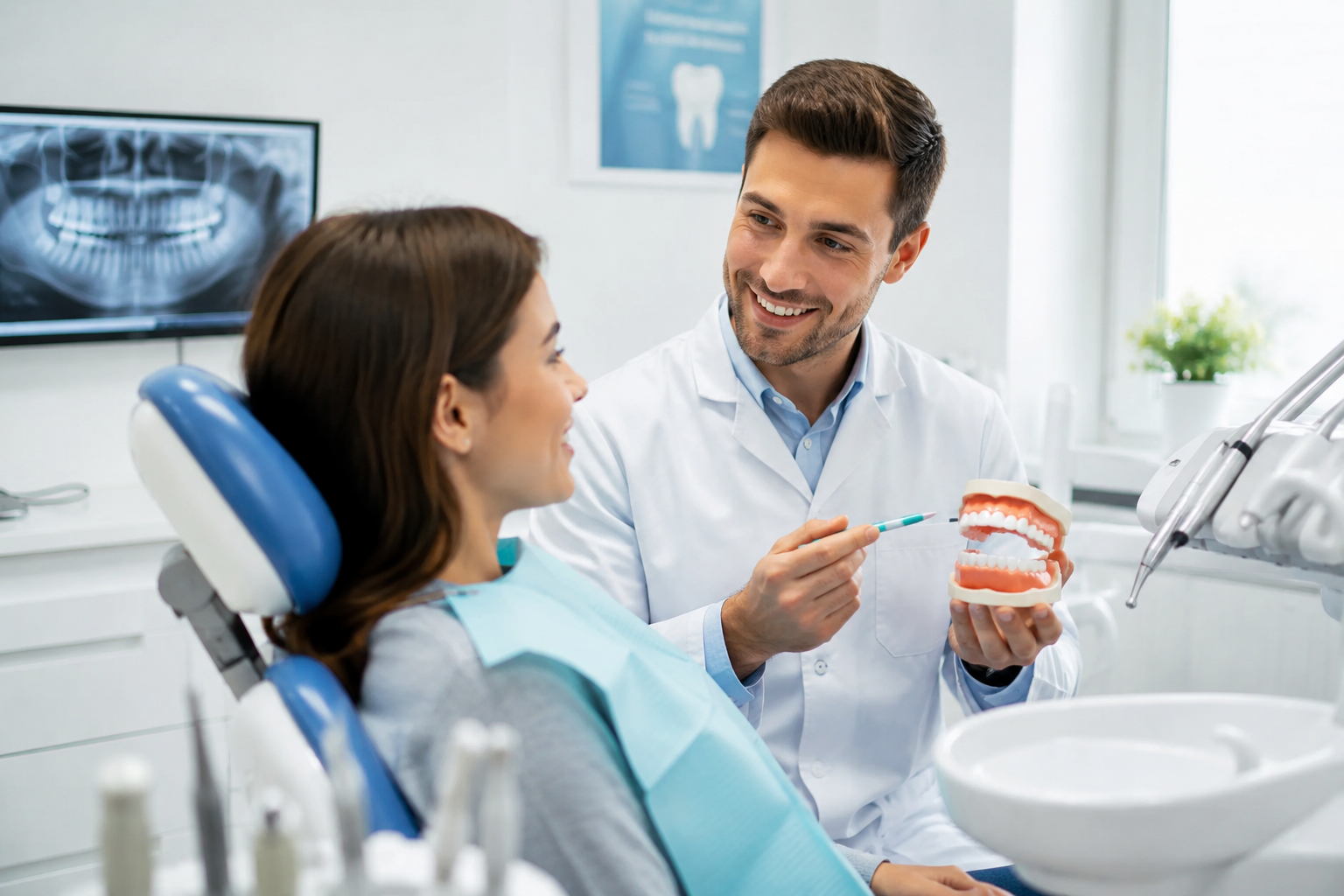
At the consultation, the dentist or orthodontist will review medical and dental history and take diagnostic records such as photos and x-rays. They will explain treatment options, estimated timeline, and a personalized cost estimate for Invisalign.
Patients should bring a list of medications and recent dental insurance information. If they have previous dental records or photos, bringing those can speed up planning.
Typical consultation components:
- Initial exam and discussion
- Digital scans or impressions
- Treatment plan and cost breakdown
- Financing and insurance review
They can expect clear explanations of payment options, including in-house plans, third‑party financing, and any available discounts. The clinician will discuss what to expect during aligner wear and routine follow-ups to monitor progress.
If the patient has specific concerns — bite issues, prior orthodontic work, or special scheduling needs — they should mention them when booking. The practice will aim to accommodate comfort needs like sedation options or extended appointment times.
To move forward, patients often schedule their scan the same day or within a week. Contact the Gulf Shores office to set an appointment, ask questions, or request a cost estimate tailored to their situation.
Frequently Asked Questions
This section answers common cost, treatment, and coverage questions about clear aligners in Gulf Shores, AL. It covers what changes price, what’s usually included in estimates, how financing works, typical tray counts, whether $5,000 is a normal quote, and how underbites affect treatment and cost.
What factors usually affect the total price of clear aligner treatment for adults and teens?
Severity of the misalignment and whether the case needs tooth extractions or attachments drive the biggest cost differences. Adults often require longer treatment than teens, which raises the fee.
The choice of provider matters: board-certified orthodontists typically charge more than general dentists. Location in Gulf Shores and clinic overhead also affect pricing.
Treatment technology and materials (custom scanners, 3D setups, premium aligner brands) add to the total. Additional services like accelerated orthodontics or complex restorative work increase cost further.
Is a treatment estimate likely to include retainers, refinements, and follow-up visits, or are those billed separately?
Many practices include one set of retainers and a limited number of follow-up visits in the initial estimate. Always confirm whether that includes lab fees for retainers or only the in-office time.
Refinements (additional tray series if teeth need extra movement) are sometimes included for a set period, but many offices charge separately after that window. Ask for the refinement policy and any tiered pricing before signing.
How do payment plans, in-house financing, or insurance typically help reduce out-of-pocket costs?
Monthly payment plans spread the cost and make treatment more affordable without interest if offered by the practice. In-house financing often lowers upfront cash needed; terms vary by practice.
Dental insurance sometimes covers part of orthodontic treatment for teens and occasionally for adults, usually as a lifetime maximum. Flexible Spending Accounts (FSA) and Health Savings Accounts (HSA) can also reimburse eligible aligner costs.
About how many aligner trays do most people need, and how does the tray count influence the overall cost?
Most mild-to-moderate cases require 12–30 trays per arch; complex cases may exceed 30. Each tray stage represents a lab and manufacturing cost, so more trays typically raise the price.
Shorter treatments with fewer trays usually cost less, while incremental refinements that add trays will increase the final bill. Ask for an initial tray count estimate and how additional trays are billed.
Is a quote around $5,000 considered normal for clear aligners, and what should you make sure is included for that price?
A $4,000–$6,500 range is common for full-course clear aligner therapy in many U.S. markets; $5,000 falls within that band. Verify the quote covers initial records (scans/X‑rays), aligner fabrication, routine visits, and at least one set of retainers.
Confirm whether refinements, emergency visits, and any adjunctive treatments (attachments, interproximal reduction, extractions) are included or billed separately. Request a written breakdown before consenting.
Can clear aligners correct an underbite, and does a more complex bite issue usually change the cost?
Mild dental underbites can be corrected with aligners plus auxiliaries like elastics or small attachments. More severe skeletal underbites often need surgical orthodontics or alternative approaches that aligners alone cannot fix.
Complex bite issues extend treatment time and require more planning, which increases cost. Patients should get a consultation with an orthodontist to determine if aligners alone will suffice and to obtain an accurate estimate.
If they want a personalized cost estimate or to discuss financing, they should schedule a consultation with a Gulf Shores orthodontic practice.