

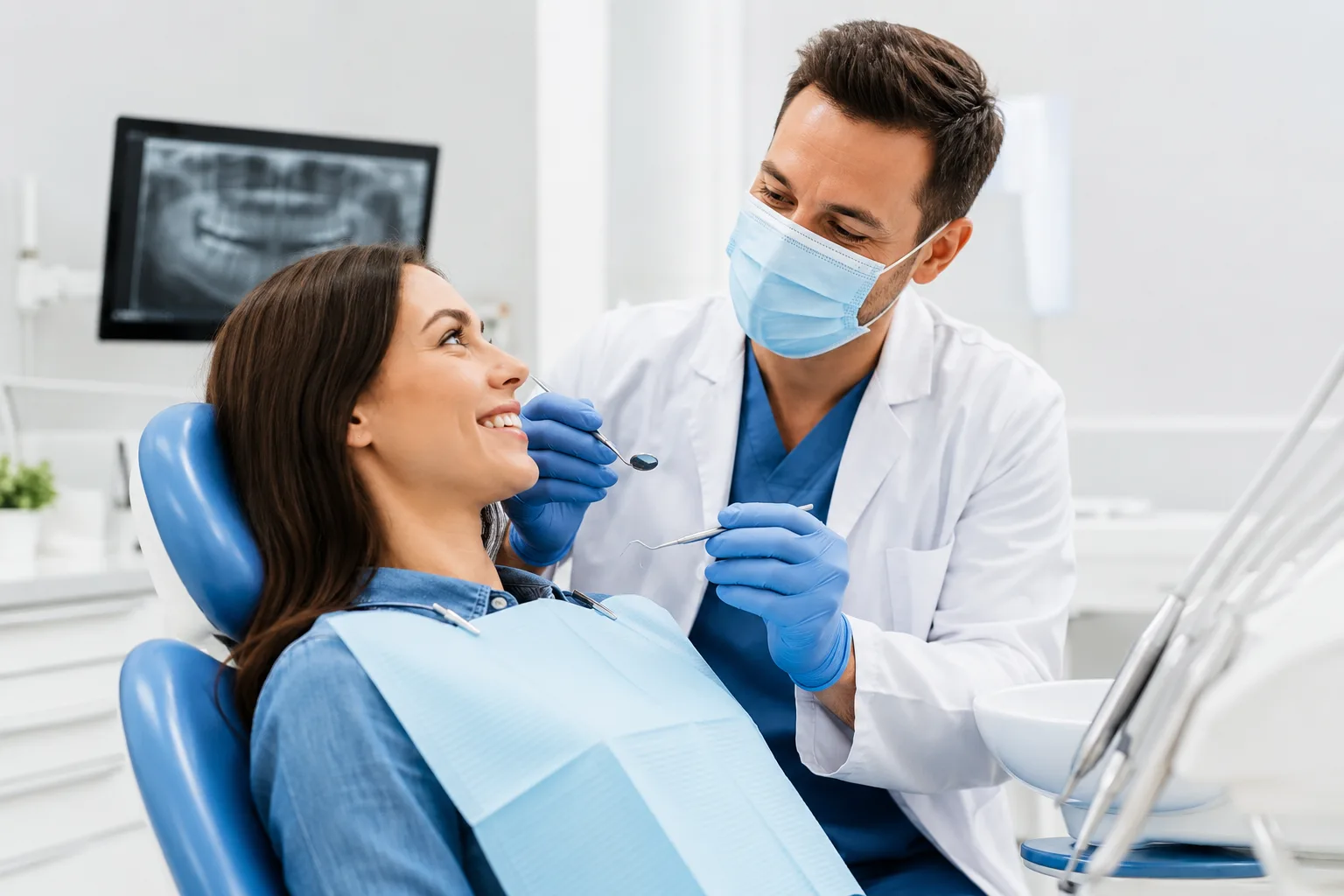
Living with extensive tooth loss can affect much more than appearance. Eating may become frustrating, speech can feel less natural, and removable dentures may shift at inconvenient times. For patients seeking a more stable solution, All-on-4® full-arch dental implants may provide another path toward a complete smile.
The treatment uses a small number of strategically positioned dental implants to support a full arch of replacement teeth. Although the name refers to four implants, the exact treatment plan must be tailored to the patient’s anatomy, oral health, and restorative needs.
For anyone researching All-on-4 in Gulf Shores, AL, understanding the process before scheduling a consultation can make the decision feel less overwhelming. Here is what prospective patients should know about candidacy, planning, recovery, maintenance, and common questions.
What Are All-on-4 Dental Implants?
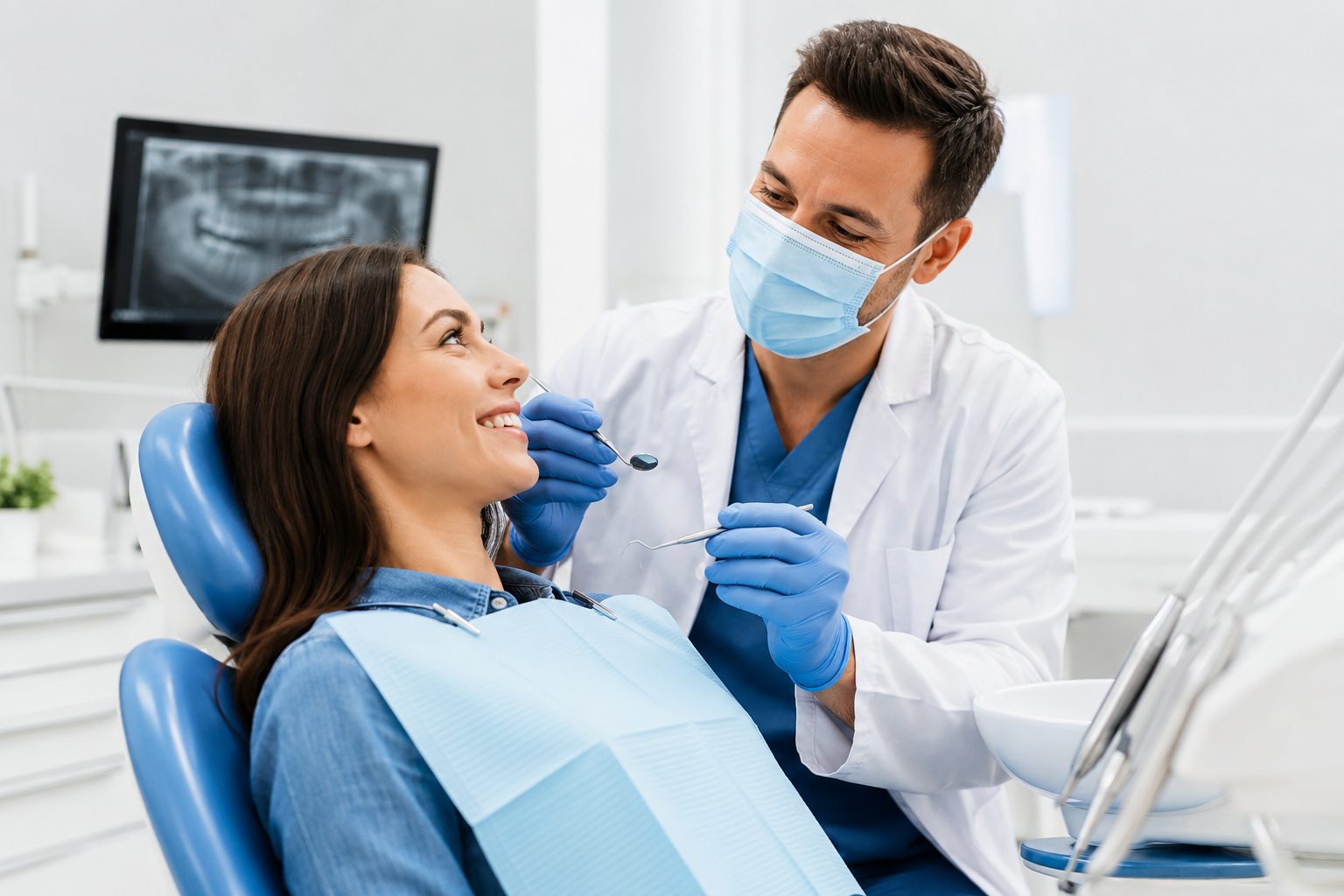
All-on-4 is a full-arch tooth replacement approach. Rather than placing a separate implant for every missing tooth, the dentist places implants at planned locations within the jaw. Those implants support a connected set of replacement teeth.
Traditional dentures rest on the gums and can be removed by the patient. An All-on-4 restoration is supported by implants anchored in the jaw, which can provide greater stability during everyday activities. The prosthetic teeth are designed as one full arch rather than as individual removable teeth.
The two implants toward the front of the mouth are generally positioned more vertically, while the back implants may be angled to make use of available bone. A systematic review of the All-on-4 concept describes the use of axial and tilted implants to support an immediately loaded full-arch fixed prosthesis. Whether immediate placement or loading is appropriate depends on implant stability and other clinical factors.
Who May Be a Candidate?
All-on-4 treatment is commonly considered for adults who have lost all or most of the teeth in an arch. It may also be discussed when the remaining teeth have a poor prognosis and cannot predictably support a healthy, comfortable smile.
Potential candidates may include people who:
- Have many missing, loose, broken, or severely damaged teeth
- Have difficulty eating with conventional dentures
- Want to explore a fixed full-arch restoration
- Have adequate bone or anatomy that can accommodate appropriately placed implants
- Can maintain daily oral hygiene and attend follow-up visits
- Have health conditions that are well managed enough for an elective surgical procedure
Not everyone is an immediate candidate. Active gum disease, uncontrolled medical conditions, smoking or nicotine use, certain medications, and insufficient bone may affect healing or treatment planning. These factors do not automatically rule out implant care, but they need to be discussed openly.
Some patients require preparatory care, such as removing unhealthy teeth, treating gum infection, or improving the available bone. In other cases, implant angulation may help reduce the need for extensive grafting. Only an examination and three-dimensional imaging can show which approach is appropriate.
How Treatment Is Planned
Successful full-arch treatment begins well before implant placement. At the consultation, the dental team reviews the patient’s goals, health history, medications, current teeth, gums, bite, and previous dental experiences.
Coastal Family Dentistry offers implant consultations and 3D imaging in Gulf Shores. Three-dimensional scans allow the dentist to evaluate jaw anatomy and plan implant positions more accurately than visual examination alone. Digital planning may also be used to create a surgical guide for precise placement.
The planning conversation should cover:
- Whether remaining teeth need to be removed
- The proposed number and position of implants
- Whether grafting or another preparatory procedure may be needed
- The type of temporary and final restoration
- Sedation or comfort options, when appropriate
- Expected appointments and healing stages
- Risks, alternatives, maintenance, and estimated fees
Patients should also explain what matters most to them. Comfort, appearance, chewing ability, treatment pace, and budget can all influence the recommended plan.
What Happens During the All-on-4 Process?
Preparing the mouth
Any infection or active oral-health concern needs to be addressed as part of the plan. Teeth that cannot be retained may be removed. If bone enhancement is needed, the dentist will explain whether it can occur with implant placement or should be completed separately.
Placing the implants
After the area is numbed and any planned comfort measures are provided, the implants are placed in predetermined positions. The dental team then checks their stability and follows the restorative plan developed from the examination and imaging.
Receiving temporary teeth
Some suitable patients can receive temporary teeth around the time the implants are placed. This is often described as “teeth in a day,” but the phrase can be misleading if it suggests that all healing and treatment are complete that day.
The initial prosthesis is generally a temporary restoration designed to protect the treatment area while providing appearance and limited function. Immediate loading is not appropriate in every case. The decision depends on factors such as implant stability, bone conditions, bite forces, and the dentist’s clinical judgment.
Healing and receiving the final restoration
Several different milestones occur after surgery, and they should not be treated as one recovery period:
- Early symptom recovery refers to the initial improvement in swelling, tenderness, and day-to-day discomfort.
- Soft-tissue healing is the process by which the gums close and mature around the treated areas.
- Osseointegration is the deeper biological process in which the jawbone forms a stable connection with the implant surfaces.
- Completion of treatment occurs after the dentist confirms healing and delivers or approves the final full-arch restoration.
These stages do not finish at the same time. Follow-up appointments help the dentist monitor healing, adjust the temporary teeth if necessary, and decide when the implants are ready for the definitive restoration.
Benefits and Limitations to Consider
For an appropriate candidate, implant-supported full-arch teeth may feel more secure than a conventional removable denture. The connected restoration can be customized to complement the patient’s face, smile, and tooth preferences. Coastal Family Dentistry notes that its full-arch prostheses are custom-designed with the goal of achieving a natural appearance.
Potential advantages may include:
- A stable, fixed arch of replacement teeth
- Less movement than a traditional removable denture
- A customized tooth shape, shade, and smile design
- Fewer implants than approaches that replace each tooth individually
- The possibility of temporary fixed teeth soon after surgery for selected patients
However, All-on-4 is not maintenance-free or risk-free. Possible complications discussed in the clinical literature include implant failure, prosthetic damage, screw-related problems, hygiene difficulties, and inflammation around implants. The systematic review also emphasizes the importance of appropriate surgical and prosthetic protocols rather than treating the concept as a one-size-fits-all procedure.
Full-arch implants also do not recreate natural teeth exactly. Patients must adapt to the shape and feel of the restoration, follow dietary guidance during healing, and commit to long-term professional care.
Comfort and Recovery
Patients often worry about discomfort, especially if they have avoided dental care because of anxiety. The dental team can explain local anesthesia and any appropriate comfort options before treatment. Knowing what will happen at each appointment can also make the experience easier to manage.
After implant placement, patients may experience temporary swelling, soreness, bruising, or minor bleeding. The individual recovery experience varies with the extent of treatment, personal health, and whether extractions or grafting were performed.
Patients should follow the specific instructions provided by their clinician. These may include eating softer foods, cleaning the mouth with the recommended technique, using prescribed or approved medications correctly, and avoiding pressure on the temporary restoration. Worsening pain, persistent bleeding, fever, increasing swelling, drainage, or a loose restoration should prompt a call to the treating dental office.
Caring for Full-Arch Implant Teeth
Implant-supported teeth cannot develop cavities, but the gums and bone around the implants can still become inflamed or infected. Daily cleaning is therefore essential.
The dental team may recommend a soft toothbrush, an electric toothbrush, floss designed for bridges, interdental brushes, or a water flosser. The best combination depends on the shape of the restoration and the patient’s dexterity.
Professional maintenance visits allow the team to examine the gums, assess the bite, evaluate the restoration, and clean areas that are difficult to reach at home. Patients who clench or grind may also need additional protection. If a full-arch restoration chips, loosens, or suddenly feels different, it should be evaluated rather than ignored.
Understanding Cost and Comparing Options
The cost of All-on-4 treatment varies because each plan includes different clinical needs. Factors may include diagnostic imaging, extractions, grafting, implant components, temporary teeth, final restoration materials, sedation, and follow-up care.
When reviewing an estimate, patients should ask what is included rather than comparing only the headline price. Useful questions include:
- Does the estimate cover one arch or both arches?
- Are extractions or grafting included?
- Does the fee include both temporary and final teeth?
- What final restoration material is planned?
- How are repairs, adjustments, and maintenance handled?
- Are financing or phased payment options available?
Dental insurance benefits vary. The practice can review available benefits and provide a personalized estimate, but the insurer determines final coverage.
Frequently Asked Questions
Is All-on-4 the same as dentures?
No. Both replace a full arch of teeth, but conventional dentures rest on the gums and are usually removable. All-on-4 teeth are supported by dental implants. Patients should still ask whether the proposed restoration is fixed, removable by the dentist, or removable by the patient, because implant prostheses come in different designs.
Can patients really receive teeth in one day?
Some patients may receive temporary teeth on or near the day of implant placement. That does not mean the implants have finished integrating or that the final restoration is complete. Eligibility for immediate temporary teeth depends on the clinical situation.
Will bone grafting be required?
Not always. Angled implant placement can sometimes make use of available bone, but some patients still need grafting or another preparatory procedure. Three-dimensional imaging helps the dentist evaluate this need.
Do All-on-4 teeth look natural?
They are designed to look natural and can be customized for tooth shade, size, shape, and arrangement. Results vary according to anatomy, materials, restorative design, and individual preferences.
How long do All-on-4 implants last?
No clinician can guarantee a specific lifespan. Longevity depends on implant integration, oral hygiene, health, smoking or nicotine exposure, bite forces, restoration wear, and regular professional maintenance. Components of the restoration may need repair or replacement even when the implants remain stable.
Can someone who has worn dentures for years qualify?
Possibly. Long-term denture wear may be associated with changes in jaw anatomy, but it does not automatically prevent implant treatment. An examination and 3D scan are needed to determine available options.
Exploring All-on-4 in Gulf Shores, AL
Choosing full-arch implants is a significant health and financial decision. A thorough consultation should leave the patient with a clear understanding of the recommended treatment, alternatives, healing process, maintenance needs, risks, and total estimated cost.
Coastal Family Dentistry provides All-on-4 and full-arch implant consultations in Gulf Shores, AL. Patients who are tired of loose dentures or struggling with extensive tooth loss can contact the practice to ask questions and learn whether this approach may fit their needs. The next step is not a commitment to surgery—it is simply an opportunity to receive personalized information and make a confident, informed choice.
This article provides general educational information and is not a diagnosis or a substitute for professional dental or medical advice. A qualified clinician must evaluate individual health, anatomy, benefits, and risks before recommending implant treatment.