


You face a dental emergency, and you need clear, immediate options in Gulf Shores, AL. Call a local emergency dentist right away if you have uncontrolled bleeding, a knocked-out tooth, severe pain, or signs of infection — timely care often saves teeth and prevents complications.
This post explains when to seek urgent dental help, what steps to take before you arrive, and how Gulf Shores practices handle emergencies with modern treatment and patient comfort in mind. Expect practical tips on common emergencies, how to find a responsive dentist, and simple prevention steps so you can move forward with confidence and less worry.
When to Seek Urgent Dental Help
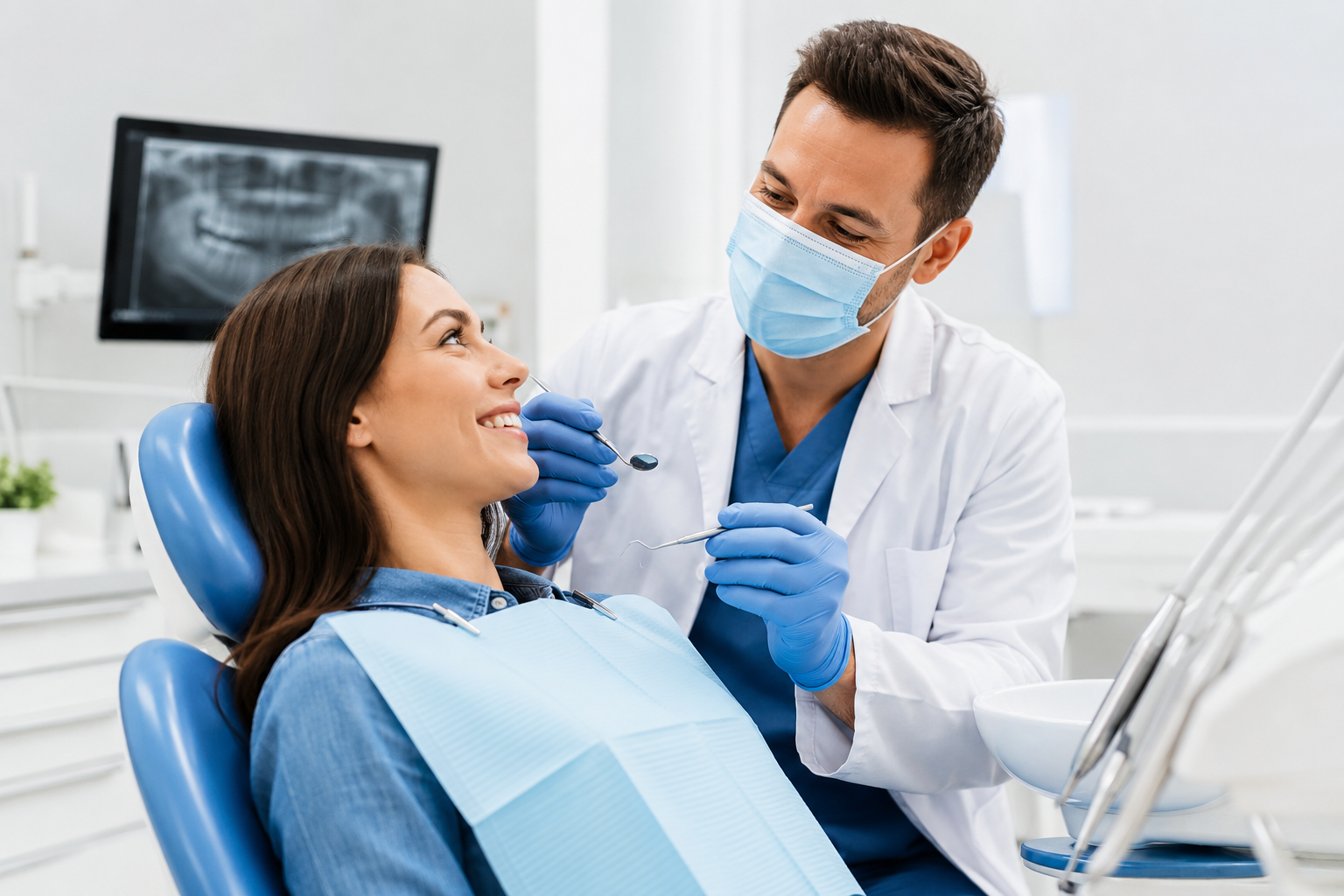
If pain, bleeding, or a damaged tooth affects eating, speaking, or breathing, prompt care matters. Timely treatment reduces risk of infection, preserves teeth, and limits emergency room visits.
Recognizing Dental Emergencies
They include sudden, severe pain that prevents sleep or normal activity. Intense toothache that radiates to the jaw, ear, or temple often signals infection or nerve involvement and needs urgent evaluation.
Visible tooth fractures that expose the pulp or a tooth knocked out entirely require emergency attention within hours. For avulsed teeth, store the tooth in milk or saline and seek care immediately to improve chances of reimplantation.
Soft-tissue injuries with uncontrolled bleeding—lacerations to the lips, tongue, or gum that do not stop after 10–15 minutes of pressure—count as emergencies. Signs of spreading infection, such as facial swelling, fever, or difficulty breathing or swallowing, demand immediate professional or hospital care.
Common Signs You Shouldn’t Ignore
Persistent swelling in the jaw or face indicates a likely abscess and rising infection risk. Swelling that makes it hard to open the mouth, breathe, or swallow is urgent and may require IV antibiotics or airway management.
High fever combined with dental pain suggests systemic infection. If medication for pain or antibiotics previously prescribed no longer control symptoms, the patient should seek emergency dental evaluation.
Loose permanent teeth after trauma, sudden bite changes, or severe, unrelenting pain after a filling or root canal are red flags. These symptoms can mean structural damage, incomplete treatment, or spreading infection that needs same-day care.
What Counts as a True Dental Emergency
A true dental emergency threatens health, function, or the tooth’s survival. Examples: avulsed permanent tooth, uncontrolled oral bleeding, severe infection with systemic symptoms, and trauma causing facial fractures.
Non-emergent but time-sensitive issues include lost crowns or fillings that cause sharp edges or pain, slowly increasing pain from a cavity, and cosmetic defects that can wait 24–48 hours. These need prompt appointments but not necessarily immediate ER care.
Use this quick checklist:
- Call an emergency dentist now for: knocked-out tooth, uncontrolled bleeding, fever + facial swelling, breathing/swallowing difficulty.
- Schedule same-day dental care for: severe persistent toothache, broken tooth that exposes nerve, loose permanent tooth after trauma.
They should contact a local emergency dental clinic or hospital if any life-threatening signs appear.
Most Common Dental Emergencies in Gulf Shores
Local emergency dental needs often involve sudden pain, trauma, or a previously repaired tooth failing. Quick action, knowing where to go, and simple home steps can protect the tooth and prevent infection.
Toothaches and Sudden Pain
Toothaches in Gulf Shores frequently stem from untreated cavities, cracked teeth, or infected gums. Severe, throbbing pain that wakes a patient at night or comes with swelling usually indicates an abscess; this requires prompt evaluation and likely antibiotics plus either a root canal or extraction.
Patients should rinse gently with warm salt water and avoid putting aspirin directly on the gum. Over-the-counter ibuprofen reduces inflammation and pain until a dentist can see them. The dentist will take X‑rays, test the tooth’s vitality, and recommend either restorative treatment (filling or crown), root canal therapy, or extraction depending on the extent of damage.
If the pain follows recent dental work, contact the treating office immediately. Persistent sensitivity to hot or cold may signal a crack that needs treatment before it worsens.
Knocked-Out or Broken Teeth
A completely knocked-out (avulsed) permanent tooth needs reimplantation within 30–60 minutes for the best chance of survival. Handle the tooth by the crown only, rinse briefly if dirty, and try to reinsert it; if that’s not possible, store it in milk, saline, or the patient’s saliva and get to a dentist or ER immediately.
Broken teeth vary from small chips to fractures exposing the pulp. Minor chips can often be smoothed or restored with composite bonding the same day. Fractures exposing the nerve require urgent care—root canal plus a crown is common to save the tooth. Imaging determines the fracture depth and whether the root or bone is affected.
For any facial trauma, check for other injuries and seek emergency care. Children with knocked-out baby teeth should not have them reimplanted; see a dentist for guidance.
Lost Fillings and Crowns
A lost filling or crown exposes the tooth to decay, sensitivity, and potential fracture. If the crown comes off, the patient should retain it, clean it gently, and bring it to the dental visit; sometimes the dentist can recement it the same day.
Temporary home steps include placing dental cement or sugar-free gum into the crown to protect the tooth and reduce sensitivity. Avoid chewing on that side and keep the area clean with gentle brushing and salt-water rinses. The dentist will assess decay or damage under the restoration and choose between recementing, replacing the crown, or performing a root canal followed by a new restoration.
Patients with recurrent crown loss or loose fillings may need a different crown design or improved bite adjustment to prevent repeat problems.
Immediate Steps to Take Before Reaching the Dentist
Act quickly and calmly. The right short-term actions can protect teeth, reduce pain, and improve the chance of saving a tooth or restoration.
Protecting Your Tooth and Gums
If a tooth is cracked or partially broken, rinse the mouth with warm water and gently remove debris with a clean finger or soft toothbrush. Apply a cold compress to the cheek for 10–20 minutes to reduce swelling; repeat every hour as needed.
For a loose tooth, have the patient avoid chewing on that side and do not wiggle the tooth. If swelling or a hard bump appears on the gum, they can place a cold pack externally and see the dentist immediately — these signs may indicate a fracture or abscess.
If a temporary crown or filling comes off, keep the area clean and avoid sticky or hard foods. A piece of sugar-free gum or dental cement (available at pharmacies) can temporarily re-seat a lost crown until dental care is available.
Pain Management at Home
For immediate pain relief, over-the-counter ibuprofen (200–400 mg every 4–6 hours, not exceeding label limits) is preferred for dental inflammation; acetaminophen is an alternative for those who cannot take NSAIDs. They should avoid aspirin directly on gums or teeth because it can irritate tissue.
Use a saltwater rinse (1/2 teaspoon salt in 8 ounces warm water) several times a day to reduce bacterial load and soothe tissue. A cold compress applied externally helps numb pain and control swelling.
Topical benzocaine products can be used sparingly for short-term relief in adults; follow package instructions and avoid use in young children. Keep medications out of reach of children and consult a dentist or physician for concerns about dosing or interactions.
Preserving Lost Teeth or Restorations
If a tooth is knocked out, pick it up by the crown only — do not touch the root. Rinse it gently with saline or milk if dirty; do not scrub, dry, or remove tissue fragments.
Try to reinsert the tooth into the socket immediately if the patient can do so without force; hold it in place and seek emergency care within 30–60 minutes for best prognosis. If reinsertion is not possible, place the tooth in cold milk, saline, or the patient’s saliva (inside the cheek) and get to an emergency dentist quickly.
For a dislodged bridge or crown, keep the restoration hydrated in a clean container with milk or saline and bring it to the dentist. Do not force a broken prosthesis back in place; bring any fragments and describe how the injury occurred.
How Gulf Shores Dental Practices Respond to Emergencies
Gulf Shores dental teams prioritize quick access, pain control, and clear next steps. They coordinate phone triage, same-day appointments, and in-office procedures to stabilize the problem and plan definitive care.
What to Expect When You Call
When a patient calls with an urgent dental issue, front-desk staff or an answering clinician first asks focused questions: description of pain, duration, bleeding, swelling, fever, and any recent trauma or medical conditions. This medical and dental triage determines urgency and whether the patient needs immediate in-office care or can manage at home until the next available slot.
Staff will typically offer self-care instructions—cold compresses for swelling, over-the-counter pain relief dosing, and how to control bleeding with gauze. If the situation looks severe (high fever, spreading swelling, difficulty breathing or swallowing), the practice advises going to the nearest emergency department or calling 911 while simultaneously preparing for expedited dental treatment if safe.
Because many practices keep a few same-day openings, callers who qualify receive an appointment the same day or are placed on a brief waitlist for cancellations. Practices also document the call and any instructions given to ensure continuity when the patient arrives.
Same-Day and After-Hours Care Options
Most Gulf Shores dental practices reserve time each day for true emergencies like uncontrolled pain, knocked-out teeth, severe infections, or persistent bleeding. Patients usually receive a focused exam, necessary X-rays, and immediate interventions such as pain control, tooth splinting, temporary restorations, or extractions.
After-hours coverage varies: some offices share on-call rotations among local dentists; others contract with an emergency dental service reachable by phone. After-hours calls commonly result in phone triage with guidance and a next-morning appointment unless symptoms indicate an immediate in-person visit. Patients with avulsed (knocked-out) permanent teeth are given specific, time-sensitive instructions—handle by the crown, rinse briefly, try to replant if possible, or keep the tooth in milk or saliva—and told to get to a dentist within 30–60 minutes.
Payment and insurance are addressed up front when possible. Practices explain fees for emergency visits and whether they will bill insurance or expect payment at the time of service, so patients can plan accordingly.
Modern Tools and Techniques for Fast Relief
Clinics in Gulf Shores use digital X-rays and intraoral cameras to quickly diagnose fractures, infections, and root problems with minimal discomfort. These tools shorten diagnosis time and let the dentist explain findings visually to the patient, improving understanding and consent.
For immediate symptom control, clinicians use local anesthesia, pulpal debridement, and temporary restorations to eliminate pain while preserving options for definitive care. Laser therapy and high-speed suction devices reduce procedure time and swelling for many soft-tissue emergencies.
When infection is present, dentists follow evidence-based protocols: targeted antibiotics when systemic signs exist, incision and drainage for localized abscesses, and coordination with primary care for medically complex patients. For traumatic cases, splinting materials, composite bonding, and same-visit root canal therapy are common to save teeth and restore function.
Patients are encouraged to call the practice with photos of the issue when possible; many offices accept text or email images to speed triage and prepare the treatment room and supplies before arrival.
Patient Comfort and Care During Emergency Visits
Patients can expect calm communication, targeted pain control, and practical steps to stabilize the problem quickly. Staff focus on reducing fear, controlling pain, and explaining each step so patients leave with clear next actions.
Gentle Approaches to Minimize Anxiety
The team greets patients promptly and offers a quiet waiting area when possible to reduce sensory overload. They use plain language to explain what caused the pain and the immediate plan, which helps patients feel informed and less fearful.
For needle-sensitive patients, clinicians offer topical numbing gel before injections and use slow, steady techniques to minimize discomfort. Nitrous oxide (laughing gas) is available in many practices to relax patients without deep sedation. Staff also schedule follow-ups at convenient times to avoid rush and additional stress.
Dental assistants monitor vital signs during longer procedures and pause to check comfort levels. They provide warm blankets, supportive pillows, and clear breathing instructions for claustrophobic patients. These small measures help patients feel safer and more in control.
Personalized Solutions for Every Situation
Clinicians assess the tooth, surrounding tissue, and medical history to choose treatments tailored to each emergency. For a knocked-out tooth, they act quickly to preserve the tooth with specific storage and re-implantation steps. For severe infections, they prescribe antibiotics based on allergy history and coordinate with a physician if the patient takes other medications.
Pain management plans combine local anesthesia, short-term prescription analgesics, and home-care instructions like cold packs and soft-food diets. If a patient has dental anxiety or special-needs considerations, the team arranges modified appointments, extended time slots, or referral to an oral surgeon for sedation options.
The practice documents treatment goals and next steps in writing, including contact numbers for after-hours concerns. This practical follow-through reduces uncertainty and helps patients recover with confidence.
Preventing Dental Emergencies in Everyday Life
Daily choices and routine care greatly reduce the chance of sudden tooth pain, broken teeth, and lost restorations. Small changes — like using a mouthguard during sports and seeing the dentist twice a year — prevent many urgent visits and preserve long-term oral health.
Smart Habits That Protect Your Smile
They should use a soft-bristled toothbrush and fluoridated toothpaste twice daily to remove plaque without damaging enamel or gums. Flossing once a day removes food and bacteria between teeth where cavities and abscesses often start.
Avoid chewing hard items such as ice, popcorn kernels, and hard candy; these cause cracked teeth and broken fillings. If grinding or clenching occurs, a custom night guard from a dentist prevents wear, fractures, and jaw pain.
Limit acidic and sugary drinks to mealtimes and rinse with water after consuming soda or citrus to reduce enamel erosion.
Wear a properly fitted sports mouthguard for contact and non-contact activities like basketball or skateboarding to prevent tooth avulsions and fractures.
Keep a small dental first-aid kit: sugar-free gum for temporary cover of a lost filling, dental wax for sharp edges, and the dentist’s contact number for emergencies.
Why Regular Checkups Matter
They should schedule exams and cleanings every six months or as the dentist recommends based on risk factors like diabetes, dry mouth, or a history of cavities. Professional cleanings remove hardened tartar that brushing cannot, lowering the risk of periodontal disease and painful infections.
Routine X-rays detect cavities, cysts, and bone loss before symptoms appear, enabling simpler, less costly fixes. During exams, the dentist can adjust restorations, polish rough edges, and offer targeted treatments such as fluoride varnish or sealants to prevent future emergencies.
Patients with medical conditions or orthodontic work benefit from more frequent visits to monitor changes that increase emergency risk. If a dental concern appears between appointments — increasing sensitivity, swelling, or loose restorations — they should contact the dental office promptly to avoid escalation.
Finding the Right Emergency Dentist in Gulf Shores
Choose a clinic that offers prompt access, clear pricing, and compassionate staff who handle urgent care and follow-up treatment efficiently.
What to Look For in a Trusted Provider
Patients should prioritize clinics open late, with same-day appointments or walk-in availability, so pain and infection receive rapid attention.
Look for dentists with active state licensure, credentials in emergency dentistry or oral surgery, and several years treating trauma, abscesses, and acute pain.
Confirm the office uses modern diagnostic tools — digital X-rays and cone-beam CT when needed — to speed diagnosis and reduce repeat visits.
A practice that maintains infection-control standards, accepts common insurance plans, and offers transparent, written estimates helps avoid surprise costs.
Consider patient comfort features: nitrous oxide or oral sedation for anxious patients, clear post-care instructions, and a follow-up plan with your regular dentist.
Reviews on local platforms and word-of-mouth from Gulf Shores residents provide practical insight into timeliness, bedside manner, and successful outcomes.
Questions to Ask Before Your Visit
Ask directly: “Do you offer same-day emergency appointments and what are typical wait times?” This clarifies immediate access and scheduling expectations.
Confirm fees: “What is the emergency exam cost, and how will X-rays, extractions, or root canals be billed?” Request written estimates when possible.
Ask about on-call coverage: “Is a dentist available after hours, and how do I reach them?” Knowing the emergency contact process prevents delays at night or on weekends.
Verify diagnostics and treatment capabilities: “Do you have on-site X-rays, and can you perform extractions or emergency root canal therapy here?”
Clarify comfort and payment options: “What sedation options do you provide, and which insurances or payment plans do you accept?”
Finally, ask about follow-up: “Will you coordinate with my primary dentist and provide written post-procedure care?”
Moving Forward With Confidence
They will prioritize clear, practical steps after an emergency visit so patients know what to expect next. A short treatment plan outlines timing, costs, and any temporary measures like a protective crown or a soft-food diet.
Patients can expect follow-up scheduling and written care instructions to support healing at home. Simple at-home tips—cold compresses for swelling, gentle rinses, and avoiding hard foods—reduce discomfort and speed recovery.
The practice will review options for definitive care, such as root canal therapy, permanent crowns, or extractions with implant planning. Each option includes a plain-language explanation, estimated timeline, and alternatives when appropriate.
Cost and insurance guidance come with transparent estimates and help filing claims when possible. They may offer payment plans or refer to community resources for those with limited coverage.
Confidence grows through prevention: routine cleanings, nightguards for bruxism, and prompt attention to new symptoms. Regular checkups lower the chance of future emergencies and make long-term care more predictable.
Questions are encouraged; staff will answer details about recovery, prosthetic choices, or sedation options. Patients are invited to call or book a consultation to review their personalized plan and next steps.
Frequently Asked Questions
This section answers specific situations, immediate steps, and typical costs related to urgent dental needs in Gulf Shores, AL. It gives clear actions people can take before and during a same-day visit.
What counts as a true dental emergency, and when should I seek same-day care?
True dental emergencies include uncontrolled bleeding, severe trauma to the mouth, broken teeth exposing the nerve, intense tooth pain that prevents sleep or eating, and signs of spreading infection such as fever, facial swelling, or difficulty breathing or swallowing. Seek same-day care for any condition that risks permanent tooth damage, airway compromise, or systemic infection.
If pain is moderate but not escalating, call the dental office for same-day advice; they will triage and decide if immediate treatment is necessary.
Can I go to the ER for severe tooth pain, and what can they actually do to help?
Yes, the emergency room can treat severe tooth pain if the patient has no access to a dentist or shows signs of systemic infection. ER staff can provide pain control (IV or oral analgesics), start antibiotics for infection, and handle life-threatening issues like airway obstruction.
The ER usually cannot perform definitive dental procedures such as root canals or tooth restorations. Follow-up with an emergency dentist is typically required.
Will an emergency room remove an infected tooth, or will I still need a dentist right away?
Most emergency rooms will not extract infected teeth except in extreme cases where immediate removal is necessary for medical stabilization. The ER can reduce infection with antibiotics and control pain temporarily.
Patients should arrange to see an emergency dentist within 24–72 hours for extraction, root canal, or other definitive treatment.
How can I manage tooth pain or swelling safely at home until I’m seen?
Use over-the-counter ibuprofen or acetaminophen as directed for pain, and apply a cold pack to the cheek for 10–15 minutes to reduce swelling. Rinse gently with warm salt water (1/2 teaspoon salt in 8 ounces of water) several times a day to keep the area clean.
Avoid placing aspirin directly on the gum or tooth; do not sleep with pain medication without following dosage instructions. If swelling worsens or breathing becomes difficult, seek emergency medical care immediately.
What should I do if a tooth gets knocked out or a crown/filling falls out?
If a permanent tooth is knocked out, pick it up by the crown, rinse briefly without scrubbing, and try to reinsert it into the socket if possible. If reinsertion isn’t possible, store the tooth in Hank’s Balanced Salt Solution, milk, or saliva and see an emergency dentist within 30–60 minutes for the best chance of replantation.
For a lost crown or filling, save the restoration and bring it to the dentist. Use dental cement or sugar-free gum as a temporary seal if necessary, and schedule same-day care to prevent further damage.
How much does an urgent dental visit usually cost, and do most offices accept insurance or offer payment options?
Urgent dental visits in Gulf Shores commonly range from $100–$400 for an exam and emergency relief (pain control or temporary repairs). Definitive procedures such as extractions, root canals, or crowns add to the cost; extraction fees often fall between $150–$600 and root canals between $600–$1,200 depending on complexity.
Most emergency dental offices accept major dental insurance and offer payment options like credit card, CareCredit, or in-office financing. Patients should call ahead to confirm coverage, estimate costs, and discuss payment plans.